
You’ve Had a Stroke. Now
You’re Wondering What
You Might Be Missing.
If you keep asking yourself, “What else should I be looking at?” you’re not alone. Even something as ordinary as snoring caught my attention. Let me show you why.
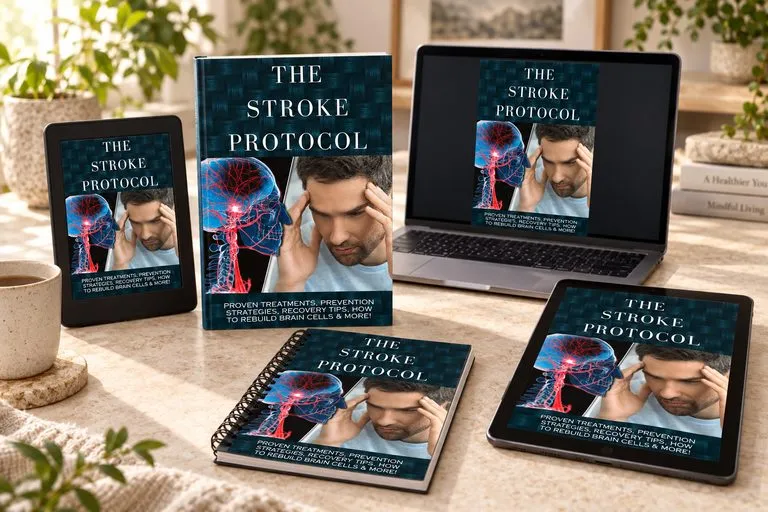
What's Included?
The Snoring Detail That Made Me Look Closer
Snoring might seem pretty far down your list after a stroke. It caught my attention for a reason. I followed that thread into the sleep questions I’d want to explore, especially if you spend all night in bed and still wake up worn out.
Why “Good for Circulation” Isn’t Enough for Me
When you’re looking for something you can do, a blood-flow supplement can sound pretty appealing. But I wouldn’t stop at the label. I looked into how your stroke history, medications and what you already take change the questions worth asking before adding it.
Why Eating LESS May Not Be the Answer
Trying to eat better can turn into a longer and longer list of foods you’re afraid to touch. I wanted to look at the other side of that: getting enough. The nutrition research raised a question I’d want to understand before cutting out even more.
Blood Sugar Wasn’t the Only Number I Wanted to Understand
Blood sugar gets all the attention. I wanted to know what insulin might reveal that glucose alone doesn’t. That distinction made it into the protocol because I’d want both pieces before assuming I understood the whole picture.
7 Questions I’d Ask Before Spending Money on an Advanced Therapy
When progress feels slow, it’s easy to pin your hopes on something new. I looked into options such as hyperbaric oxygen and included 7 questions I’d want answered before paying. A promising explanation wouldn’t be enough for me.
The Sauna Research That Made Me Look Twice
Sauna research caught my attention, but an exciting headline wasn’t enough for me. I dug into what the studies actually found, where the limits were, and what I’d want to know before considering it after a stroke. That difference between hype and evidence is exactly why I included it.
Why “Just Push Harder” Leaves Too Much Out
When an ordinary task wears you out, you don’t need another reason to feel like you’re not doing enough. I looked into the fatigue questions behind that frustration, along with shorter practice sessions. There’s more to the daily routine than seeing how much you can push through.
The Salt Advice I Wouldn’t Follow Blindly
“Eat less salt” sounds simple. But I wanted to know where potassium, kidney function and medications fit before treating that as the whole story. If you’ve been handed one-size-fits-all food rules, this is one of the places I’d look deeper.
The Blood-Vessel Question That Took Me Beyond “Circulation”
I didn’t want to look only at how blood moves. I wanted to understand the vessels it moves through, too. That took me into vitamin C and vessel structure, a different thread to follow if your research has mostly led you to another “circulation” supplement.
STILL unSURE?
Satisfaction guarantee
We want you to find value in our research and material. We offer full NO QUESTIONS ASKED refunds within 30 days. You can keep the content as well.

STILL GOT QUESTIONS?
Frequently Asked Questions
I've already had a stroke. Is this useful now, even if it wasn't recent?
Yes. The guide includes post-stroke food, daily routines, rehabilitation questions, progress tracking and caregiver considerations. It also discusses the question of recovery beyond the early period. Use it alongside your existing care plan; it doesn't promise a particular recovery result or deadline.
I'm worried about another stroke. What can this guide help me do?
It helps you organize the questions around stroke type, blood pressure, blood sugar, medication safety and daily habits, then bring them to the team managing your care. It cannot tell you your personal risk or guarantee that another stroke won't happen.
I'm taking prescribed medication. Does the guide account for that?
Yes. Medication review is a recurring part of the guide, especially when it discusses blood-flow supplements and herbs. It gives you cautions and questions to bring to your clinician. Don't stop prescribed medication or add a supplement based on the guide alone.
Does it cover both clot-related and bleeding strokes?
Yes. It explains the distinction and why it changes the discussion. That does not mean every food, supplement or therapy mentioned is appropriate for both. The guide repeatedly brings the decision back to the stroke type, medical history and care plan.
Will I need to buy a long list of supplements or do everything at once?
No. I ask you to read the guide before buying anything. The seven-day starting plan helps you organize the basics, and the reference sections separate foundational, optional and advanced ideas. Choose what to discuss with your care team instead of treating every entry as a shopping list.
Can I use this to help my spouse or parent?
Yes. You can use it together to organize medication information, meal questions, practice routines and appointments. It also covers communication frustration and caregiver support. The guide encourages keeping the recovering person's own priorities involved and sharing the responsibility for care.
We already have doctors and therapists. What does this add?
A reference you can return to between appointments: food examples, supplement cautions, tracking prompts and questions for different practitioners, gathered into a staged plan. It helps you prepare for those conversations. It does not replace individualized medical care, rehabilitation or emergency treatment.
What do I receive for $47, and how does it arrive?
You receive the Stroke Protocol as a downloadable PDF, sent through an email download link. You can save it to your device and return to the guide when you need it. This is a digital purchase, so no physical book ships. It does not include a consultation or community membership.
Is the $9.99 audio required to use the protocol?
No. The $47 PDF stands on its own. The Stroke Bonus Audio is an optional $9.99 addition, delivered through a separate email when purchased. Your total is $47 without it or $56.99 with it. The audio is a separate bonus recording, not a promised word-for-word reading of the V2 PDF.
What if I read it and decide it isn't right for me?
Email [email protected] within 30 days of purchase for a full refund. No questions asked, and you keep the content.
Copyrights Extreme Health Radio 2025 | Terms & Conditions