
Chemo Is Over. But You’re Still Wondering How To Rebuild.
Explore a source-linked roadmap for understanding what treatment may have affected, which systems deserve a closer look, and what to discuss with your practitioner next.
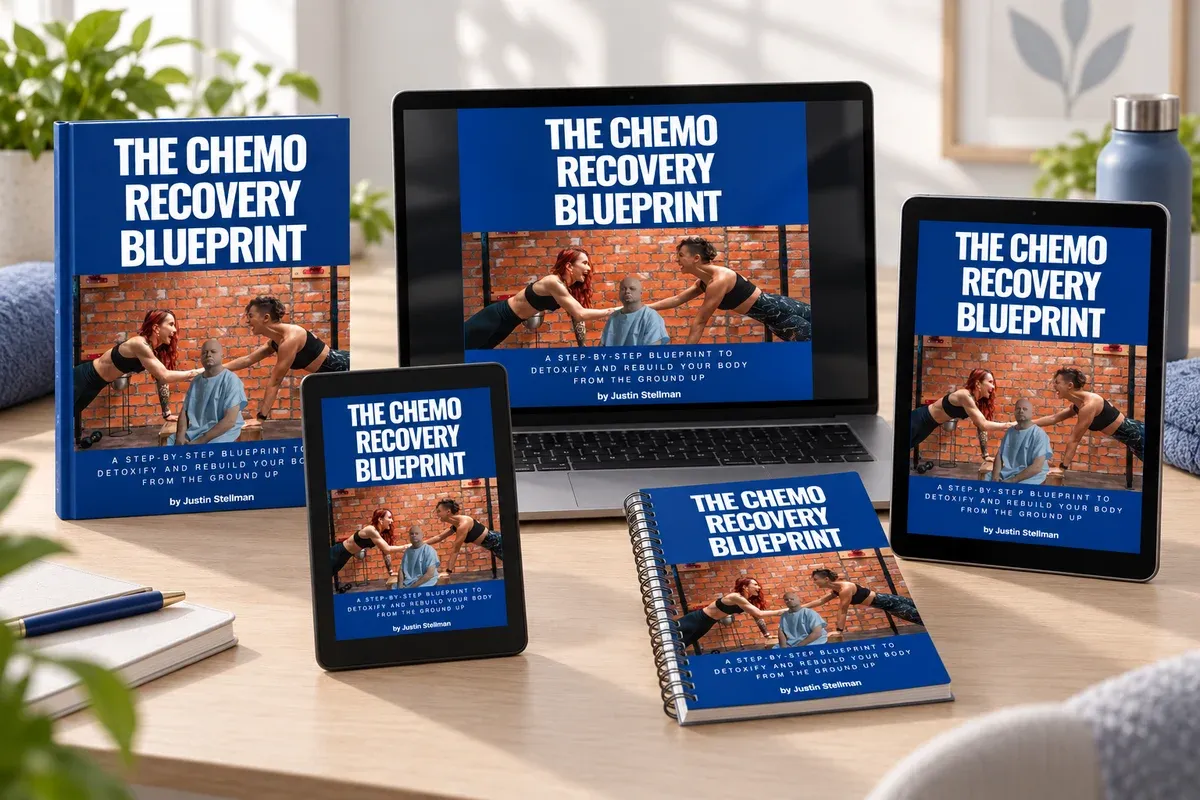
What's Included?
Five Chemo Agents. Five Different Sets of Recovery Questions: See how the source maps cisplatin, paclitaxel, doxorubicin, cyclophosphamide, and 5-fluorouracil to distinct organs, tissues, nutrients, and follow-up questions.
The Missing Map Between “Treatment Is Finished” and “Now What?”: Organize the questions that can surface after active treatment, even when the usual advice stops at rest, hydration, and eating well.
A Three-Part Way to Make Sense of Recovery: Use a plain-language version of the protocol’s detoxification, replenishment, and rebuilding framework to sort a crowded field of ideas into a more understandable sequence.
The Drug-to-System Connections Worth a Closer Look: Explore the source’s maps for the heart, kidneys, nerves, gut, bladder, bone marrow, liver, lungs, hearing, hormones, skin, hair, and nails.
The Nutrient Questions That Are Easy to Miss: Learn why the source calls attention to minerals, B vitamins, antioxidant pathways, amino acids, probiotics, and mitochondrial support compounds, without treating them as one-size-fits-all prescriptions.
An Eight-to-Twelve-Week Planning Framework: See one source-based way to organize questions and possible next steps so you can identify priorities without trying to begin everything at once.
Why the Gut Conversation Goes Beyond Digestion: Trace the source’s connections among the gastrointestinal lining, oral tissues, the microbiome, food tolerance, and wider recovery questions.
The Energy-System Research Behind Common Recovery Conversations: Understand why CoQ10, alpha-lipoic acid, L-carnitine, magnesium, movement, and sleep appear together in the protocol’s mitochondrial discussion.
A Daily-to-Yearly Review Map: Turn a large body of information into daily habits, weekly practices, monthly reviews, and longer-term practitioner check-ins.
STILL unSURE?
Satisfaction guarantee
We want you to find value in our research and material. We offer a full, no-questions-asked refund within 30 days, and you can keep the content.

STILL GOT QUESTIONS?
Frequently Asked Questions
Is this only for someone who just finished chemotherapy?
No. The material can help organize questions soon after treatment or later, when someone wants a clearer way to review their history, current concerns, and practitioner conversations. It is educational and cannot determine what is appropriate for an individual.
How is this different from general advice to rest and eat well?
It maps five chemotherapy agents to specific systems, nutrient categories, lifestyle questions, and a phased framework. That makes it more specific than a general wellness checklist while still remaining educational.
Is this just a list of supplements?
No. The protocol discusses food, hydration, movement, sleep, environmental changes, practitioner-guided testing, and supplement categories. It does not say that every reader should use every item.
Will this conflict with my oncologist or medical team?
It is designed to help you understand topics and prepare better questions, not replace medical care. Discuss changes, supplements, testing, and symptoms with qualified practitioners who know your history and current treatment plan.
Does the protocol tell me exactly what caused my symptoms?
No. Symptoms can have many causes. The protocol offers source-based areas to explore and discuss; it does not diagnose a cause or provide a personalized treatment plan.
What systems does it cover?
The source discusses the kidneys, nerves, hearing, bone marrow, gastrointestinal and oral tissues, heart, liver, bladder, reproductive and hormonal systems, lungs, skin, hair, nails, lymph movement, and mitochondrial energy support.
What if the amount of information feels overwhelming?
The material includes a phased eight-to-twelve-week framework and daily-to-yearly review prompts. Begin with the sections relevant to your treatment history and use them to prepare a short list of questions for your practitioner.
How will I receive the blueprint?
It is a digital product delivered by email after checkout. Open the delivery email and use the access link provided there.
What if it is not useful for me?
Your purchase is covered by the approved 30-day guarantee. Follow the instructions in your receipt or contact support if you need help.
Copyrights Extreme Health Radio 2025 | Terms & Conditions